
Building Momentum with Leon Vitogiannis
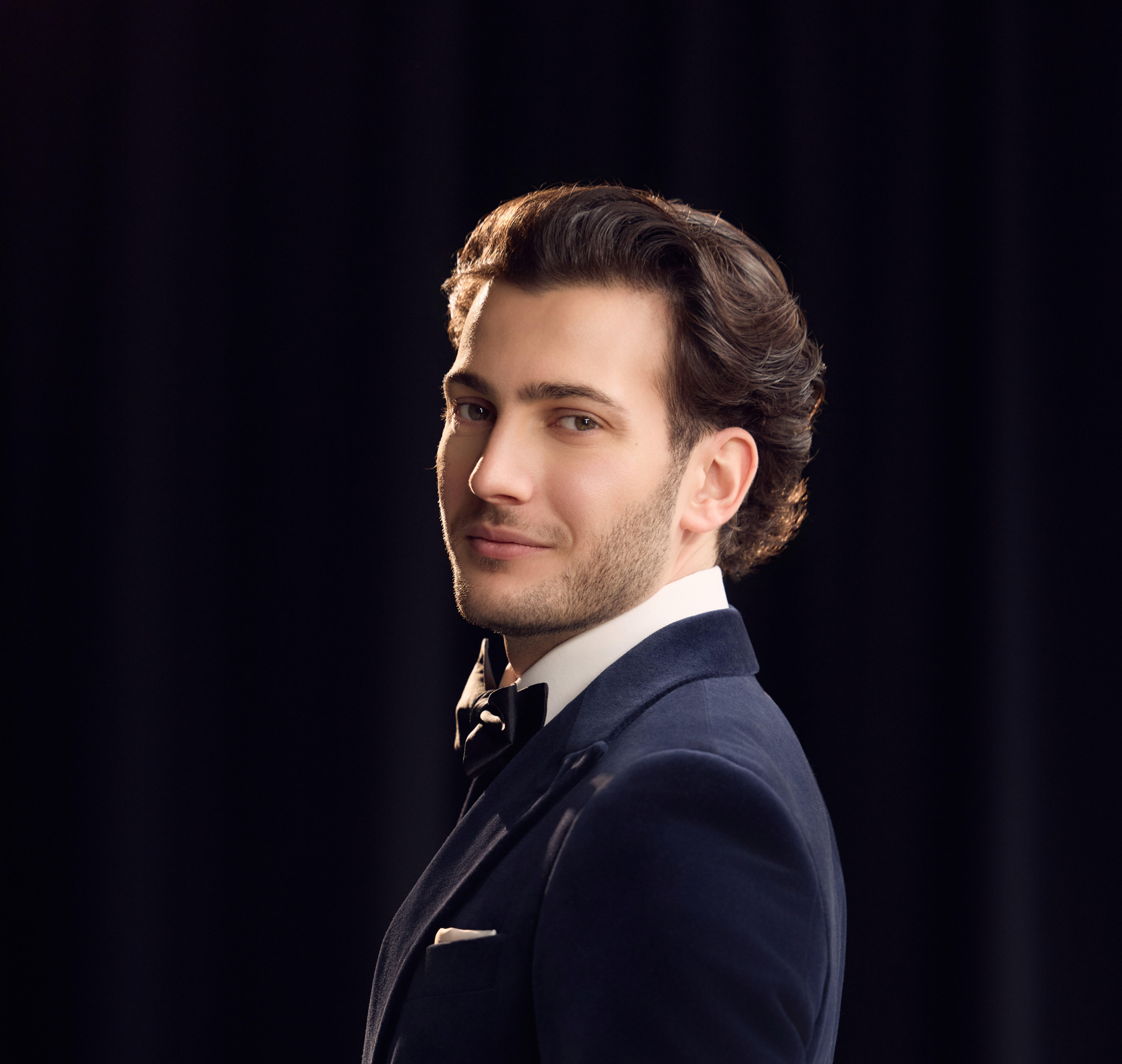
Facts About Leon
Dream role
Billy Budd
Aria or song you don’t get tired of singing?
Danksagung an den Bach from Die Schöne Müllerin
Favourite singer right now
It’s between Olaf Bär and François Le Roux - mostly because I’ve been learning the role of Pelléas and François is my favourite Pelléas.
A role you’d love to sing but maybe isn’t the right time just yet
Rodrigo (Marquis of Posa)
Favourite experience as an OA YA
Making my professional debut in Madama Butterfly on New Year’s Eve is hard to beat. Watching the 9pm fireworks over Sydney Harbour before walking on stage, then getting to enjoy the midnight fireworks from inside the Sydney Opera House, made it a pretty unforgettable night.
One artist you’d love to work with?
Thomas Hampson - for his intellectual curiosity, the way he’s balanced song and opera, and everything his career has opened up for lyric baritones.
2027 with Opera Australia
I’m really looking forward to it. It feels like a good moment to take everything I’ve been working on and put it into practice. I’ve had the chance to explore a lot of repertoire and work with some incredible artists over the past few years, and I think I’m coming into 2027 with a clearer sense of what I can offer as an artist.
I’m excited to get back into the room, work with great people and take on repertoire that pushes me. I want to keep learning from the artists around me and testing myself in different parts of the work, while continuing to develop the range of what I can do and becoming more confident in the things that are distinctly mine as an artist. There’s a lot I want to get my hands on, and I’m excited by the idea of a busy year with plenty to get stuck into.
More than anything, I’m looking forward to turning a lot of preparation into momentum and seeing where that can take me.
Young Artist with OA
The biggest takeaway has probably been learning that development isn't just about becoming a better singer.
Of course, vocal and musical development sit at the centre of everything, but being an artist also means learning how to prepare efficiently, work with different conductors, directors, répétiteurs and colleagues, adapt to different musical languages and working environments, and understand how to keep developing when nobody is structuring that development for you.
I've also become much more conscious of the habits that support a career as a whole. Fitness and movement are obvious examples. They're beneficial in their own right, but I've come to see how directly they feed into the work. I hadn't come from a particularly strong dance background, and exploring musical theatre and operetta during my time at Opera Australia pushed me into areas that were initially outside my comfort zone. A good teacher, a lot of practice and learning how to integrate movement into my craft have genuinely expanded what I feel I can offer as an artist.
More broadly, spending time in highly disciplined environments has taught me that those habits tend to carry into everything else. There’s something to be said for learning how to lock in - whether that's in the practice room, the gym, a rehearsal or when you're preparing a role. The discipline itself becomes useful. I think that's also where the idea of longevity comes in. At some point, you stop thinking only about preparing for the next audition or opportunity and start thinking about the kind of artist, and person, you're building over twenty or thirty years.
Beyond the YAP
I think the past 18 months have really helped me hone in on the trajectory of my voice and the kind of work I want to be doing. I've been fortunate to work with a huge variety of coaches, conductors, industry professionals and established artists, all of whom have brought different perspectives on the voice, repertoire and the current state of the opera industry, both in Australia and internationally. Those conversations and experiences have helped clarify where my strengths lie and where I should be focusing my energy over the next few years.
There are roles and repertoire I'm excited about, and I want to continue building a body of work that makes sense for where my voice is now, while keeping an eye on where it might naturally develop. For me, that means continuing to explore Italian, French and German repertoire, while giving myself the time to properly grow into certain roles rather than singing them simply because I can get through them.
At the same time, I don't want my career to exist only within opera. Concert work, recital and particularly art song have always been important to me. I used to think I was going to be a professional Lieder singer - I loved the art form so much, and for a long time that felt like the direction I was heading in. As I've matured as a singer and spent more time in the operatic world, though, I've become increasingly convinced that opera and song should exist in symbiosis.
It's not necessarily that one art form needs the other, but that the singer benefits from both. I want to bring the scale, colour and dramatic instinct of opera into song, while allowing the vulnerability, sincerity and unassuming directness of song to inform even the grandest moments on the operatic stage. Finding that balance is something I'd like to keep exploring throughout my career.
More broadly, I want to build a career with breadth, but also with some sense of cohesion. The goal isn't to be busy for the sake of being busy, but to build a body of work that reflects my voice, my interests and the artists I want to collaborate with.
About Development
I think one of the more difficult things at this stage is learning to trust the pace of your own development. As a young singer, opportunities can present themselves quickly, and there's often a lot of excitement around where your career could go. People can have very different ideas about what you should be singing, where your voice is heading and what the next step ought to be. There can be real value in those perspectives, but ultimately, it's your voice and your career.
I'm learning to be ambitious without feeling the need to force the next step before I'm ready for it. Sometimes an opportunity is exactly the right challenge, and sometimes recognising that something needs more time is the more difficult decision. The challenge is developing the judgement to know the difference.
For me, a big part of that has been finding a group of coaches, teachers and trusted industry voices whose opinions I value and can return to when I'm working through those decisions. I don't think developing independence means thinking you have all the answers. It's about learning who to listen to, asking the right questions and then taking responsibility for the choices you make.
Improving Australia's Opera Industry
I think the transition between different stages of vocal development is a really important one. The divide between conservatoire training and professional work can be incredibly uncertain. Having had the first lockdown fall during the final semesters of my bachelor's degree, I know how daunting it can feel to be trying to establish yourself in an industry where the pathway isn't always clear.
I think we're now seeing more programmes and initiatives being developed to give emerging singers genuine industry experience and help bridge that divide, which is incredibly valuable. But I'd love to see the industry continue investing in those artists beyond the point of formal training.
There can be a difficult period between being a student or young artist and becoming an established principal. That's where singers are often trying to build repertoire, gain experience and establish professional relationships, while also continuing to develop vocally. More opportunities to perform, cover roles, work alongside experienced artists and gradually take on greater responsibility would make a real difference.
I don't think careers necessarily need to follow a fast or predetermined trajectory. In fact, I'd love to see more space for singers to develop at their own pace, while still having meaningful opportunities to remain part of the professional ecosystem. There are a lot of talented singers in Australia. The challenge is making sure we're not only good at training them, but also at giving them enough opportunities to grow into sustainable careers.
Image by Daniel Boud


Comments